A brief history of perfume: from incense to the modern bottle
Explore fragrance's journey from ritual objects to a personal everyday signature.
 SOUQ SMELL JOURNAL
Perfume history belongs to many cultures rather than a single inventor. Aromatic resins, scented oils and incense served different roles in ceremony, personal care and daily life in the ancient world. The Fragonard perfume museum's collection, spanning ancient Egypt and the modern era, also shows how the vessels used to carry scent changed alongside it.
Distillation, raw-material processing and composition developed over time. In 2018 UNESCO inscribed the perfume-related skills of the Grasse region: growing perfume plants, processing natural materials and composing fragrance. Modern perfumery brings natural materials and synthetic molecules into the same creative vocabulary. Sampling a contemporary classic is therefore a way to explore this accumulated craft, rather than a claim to smell an unchanged ancient formula.
How to explore this edit
The recommendations below offer a comparison rather than one ranking. Open a candidate, read its notes in your chosen language and test the direction that interests you on skin. Sharing a note does not mean two perfumes smell the same.
Sources and further reading
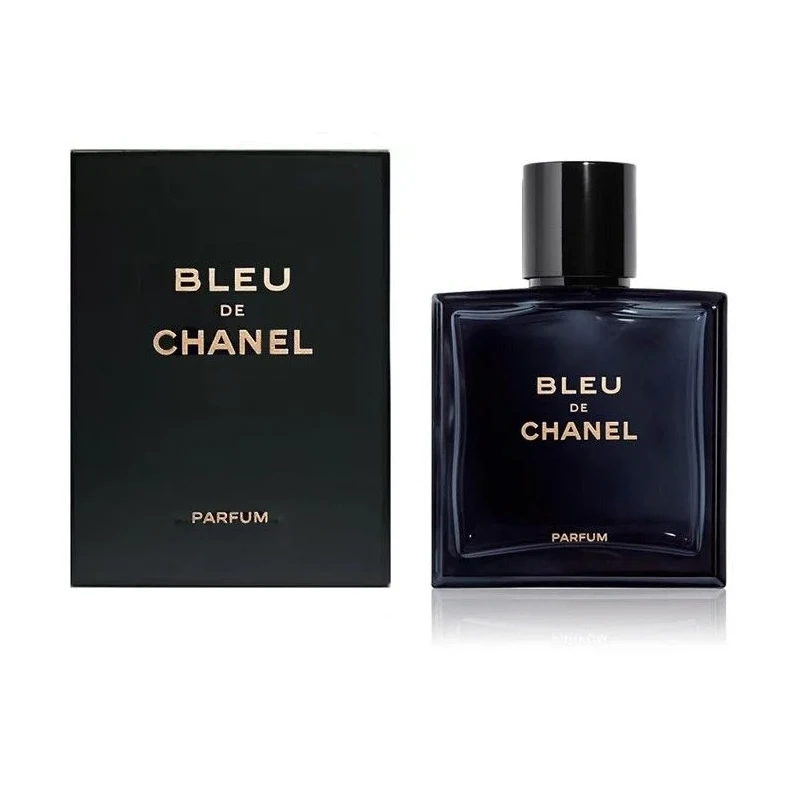
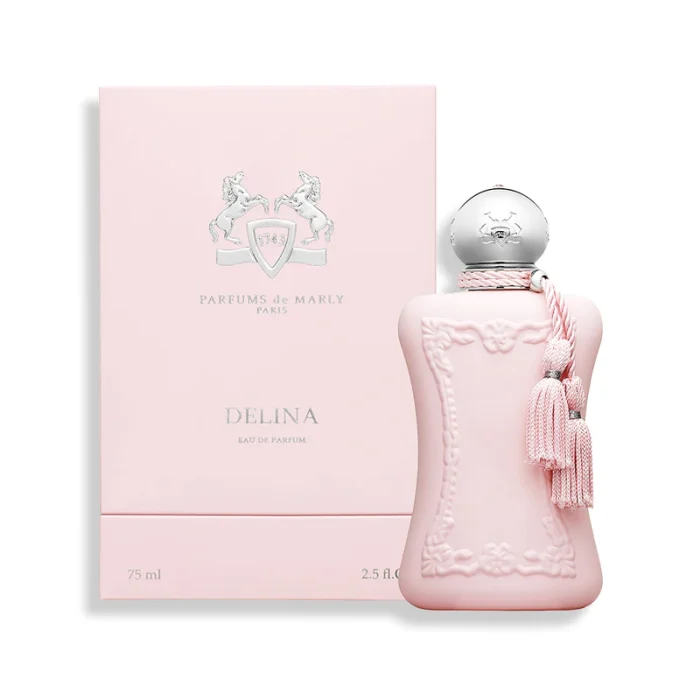
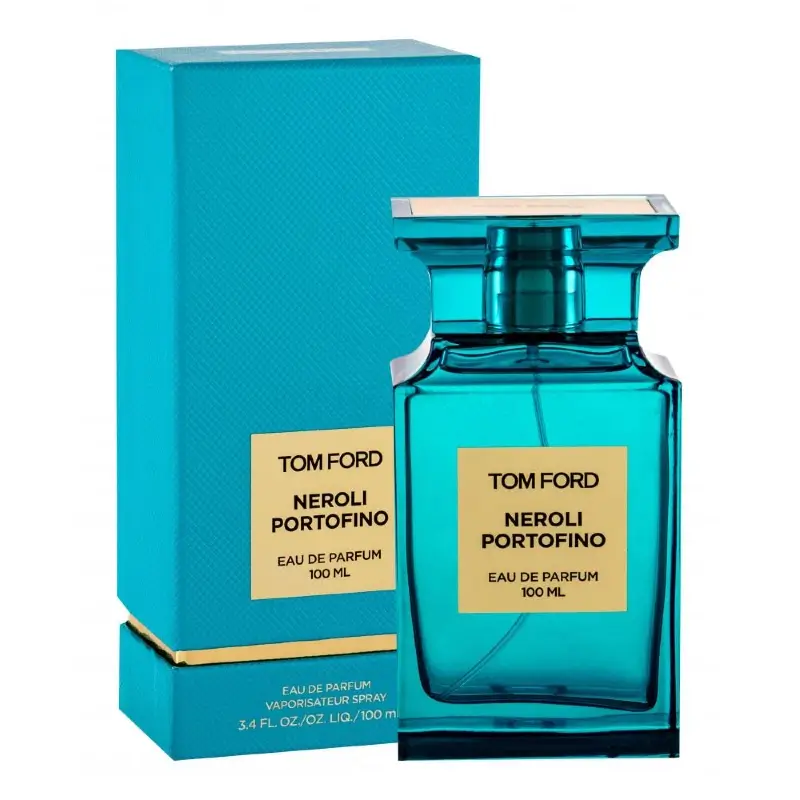
Six fragrances for this story
Compare different scent directions alongside this story. Prices and availability reflect the current catalogue.
Compare its listed notes: Lavender, Mint, Caraway.
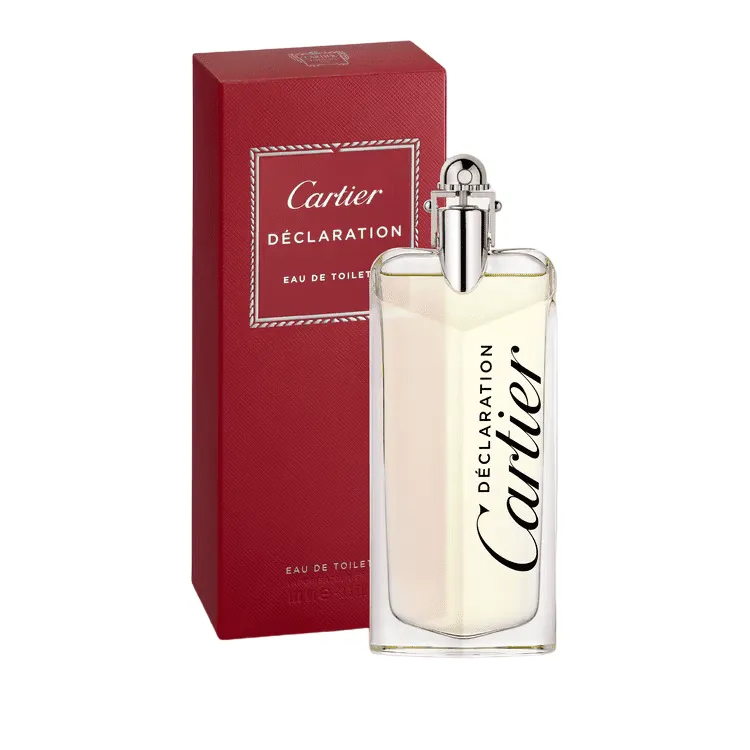
Compare its listed notes: Musk, Bitter Orange, Caraway.

Compare its listed notes: Aldehydes, Ylang-Ylang, Neroli.
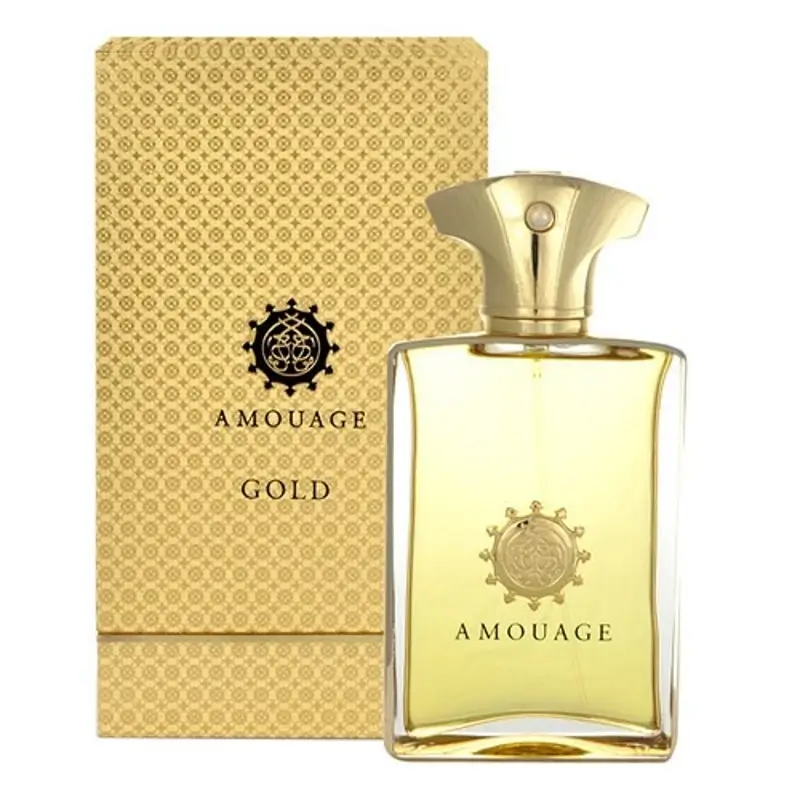
Compare its listed notes: Frankincense, Rose, Lily-of-the-Valley.
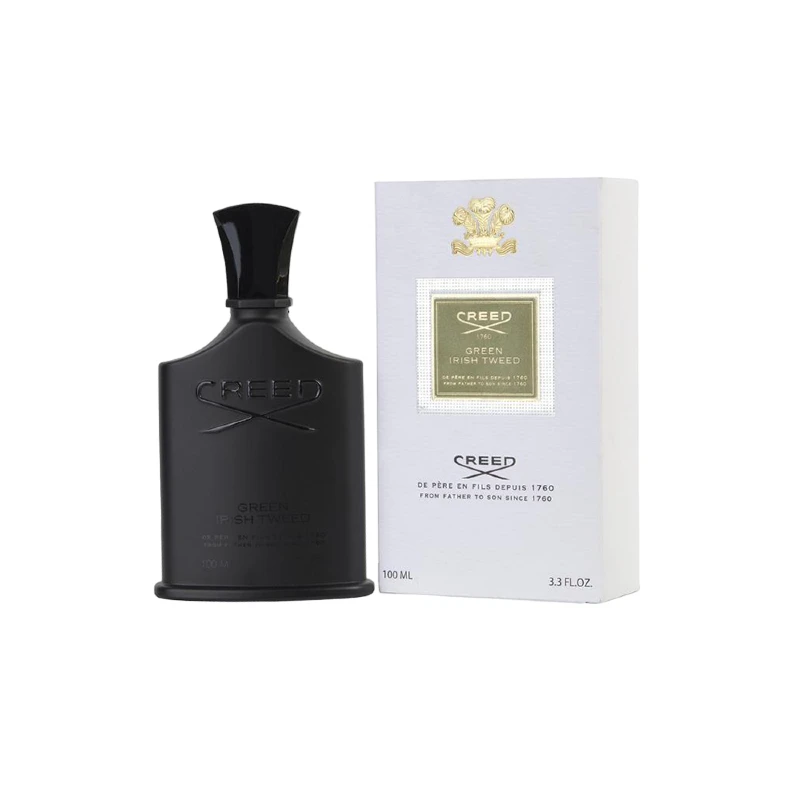
Compare its listed notes: Iris, Musk, Lemon Verbena.
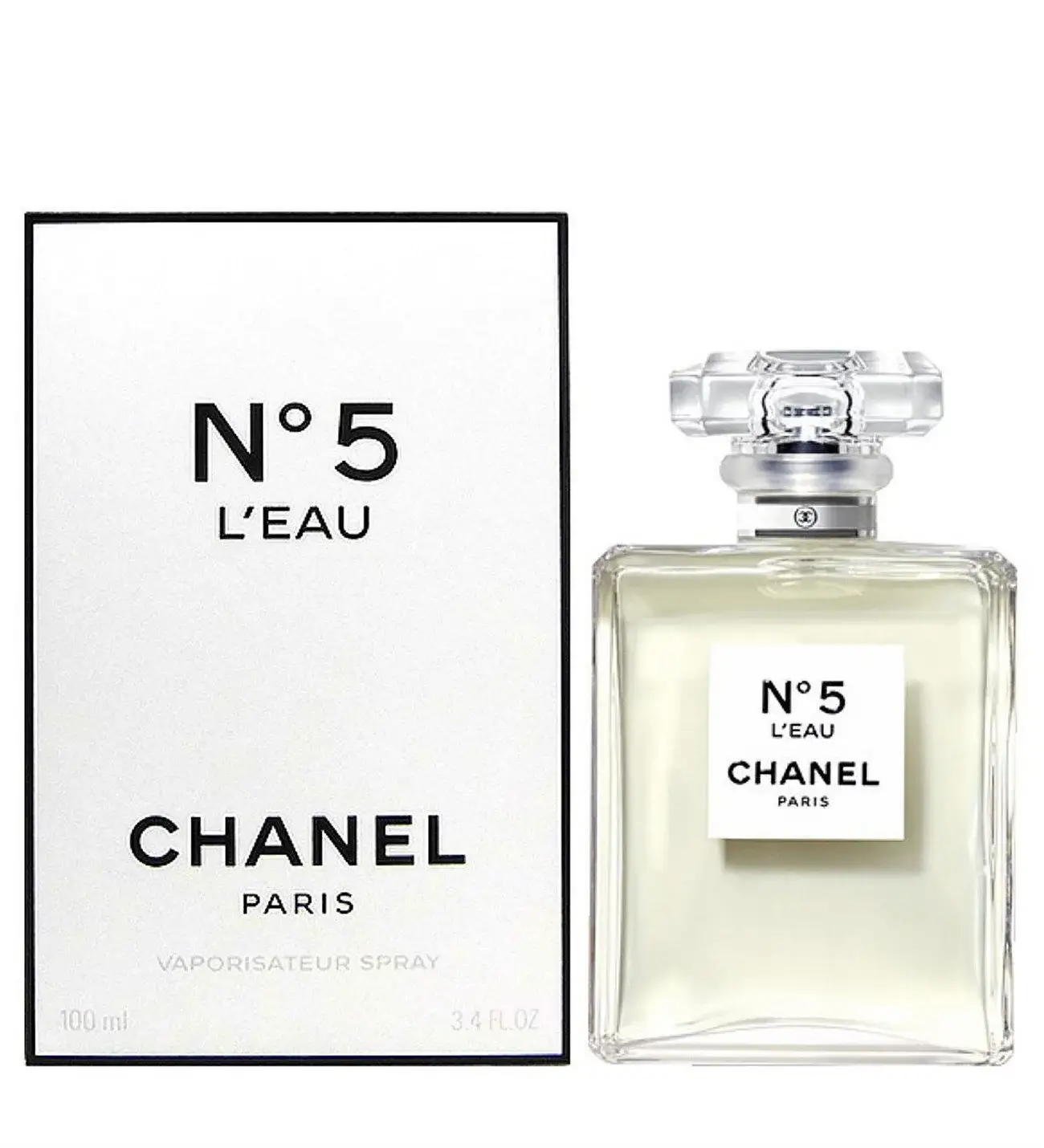
Compare its listed notes: Aldehydes, Lemon, Neroli.